Best Furniture Trends in Canada This Month: Warmth, Curves, and Intentional Living
As Canadian homeowners transition between late-summer living and preparations for cozy autumn and winter interiors, residential design across the provinces is undergoing a distinct evolution. The era of stark, all-grey minimalism and rigid showroom aesthetics has given way to tactile warmth, organic silhouettes, and climate-conscious craftsmanship. From high-rise condominiums in Toronto and Vancouver to family homes in Calgary, Ottawa, and Montreal, Canadian interiors are embracing functional luxury grounded in natural materials.
Key Industry Insights & Data Points
Organic Over Geometric: Over 70% of new Canadian residential design showcases curved corners, pillowed armrests, and rounded dining profiles over sharp 90-degree lines (Dala Decor).
Urban Modularity Demand: Multi-configuration modular sofas and storage-integrated pieces have become the primary choice for Canadian condo layouts.
Mixed Timber Layering: Single-tone matched furniture sets have been largely replaced by intentional multi-species wood layering.
Climate Resilience Focus: Demand centers heavily on kiln-dried solid hardwoods and oil-conditioned surfaces that withstand dry indoor heating during Canadian winters.
1. Sculptural Curves & Organic Silhouettes
The shift toward fluid, softer forms is dominating Canadian living rooms and dining areas. Boxy silhouettes and sharp rectangular coffee tables are being replaced by kidney-shaped sectionals, pillowed ottomans, and elliptical dining tables.
Living Rooms: Low-slung curved sofas upholstered in textured fabrics create natural conversational zones without obstructing sightlines in open-concept spaces.
Dining & Accent Pieces: Arched credenzas, ribbed tambour consoles, and rounded pedestal tables soften high ceilings and large window expanses common in modern builds.
Rather than adhering to single-wood matching sets, Canadian designers are intentionally mixing wood finishes to create depth and historical character.
Walnut and White Oak Pairings: Pairing a dark walnut dining surface with natural white oak or steam-bent ash chairs delivers contrast while keeping the space grounded
Durability for Canadian Climates: Solid Canadian hardwoods treated with natural matte sealants provide resistance against dry indoor air caused by winter heating systems.
3. High-Flexibility Modular Seating for Urban Dwellings
With urban density rising across Canadian metro centers, furniture must deliver multifunctional performance without sacrificing visual elegance.
Reconfigurable Sections: Sofas featuring movable chaises and weighted modular blocks allow homeowners to switch from a compact 3-seater to a deep lounge pit.
Built-in Concealed Utility: Storage chaises, nesting travertine-and-wood coffee tables, and fold-away bench seating provide hidden utility for space-constrained apartments
4. Earth-Rooted Postmodern Colour Palettes
Cool greys and stark whites have been superseded by rich, grounding hues inspired by the Canadian landscape.
Primary Trend Hues: Deep terracotta, forest moss green, warm amber, muted mustard, and rich burgundy.
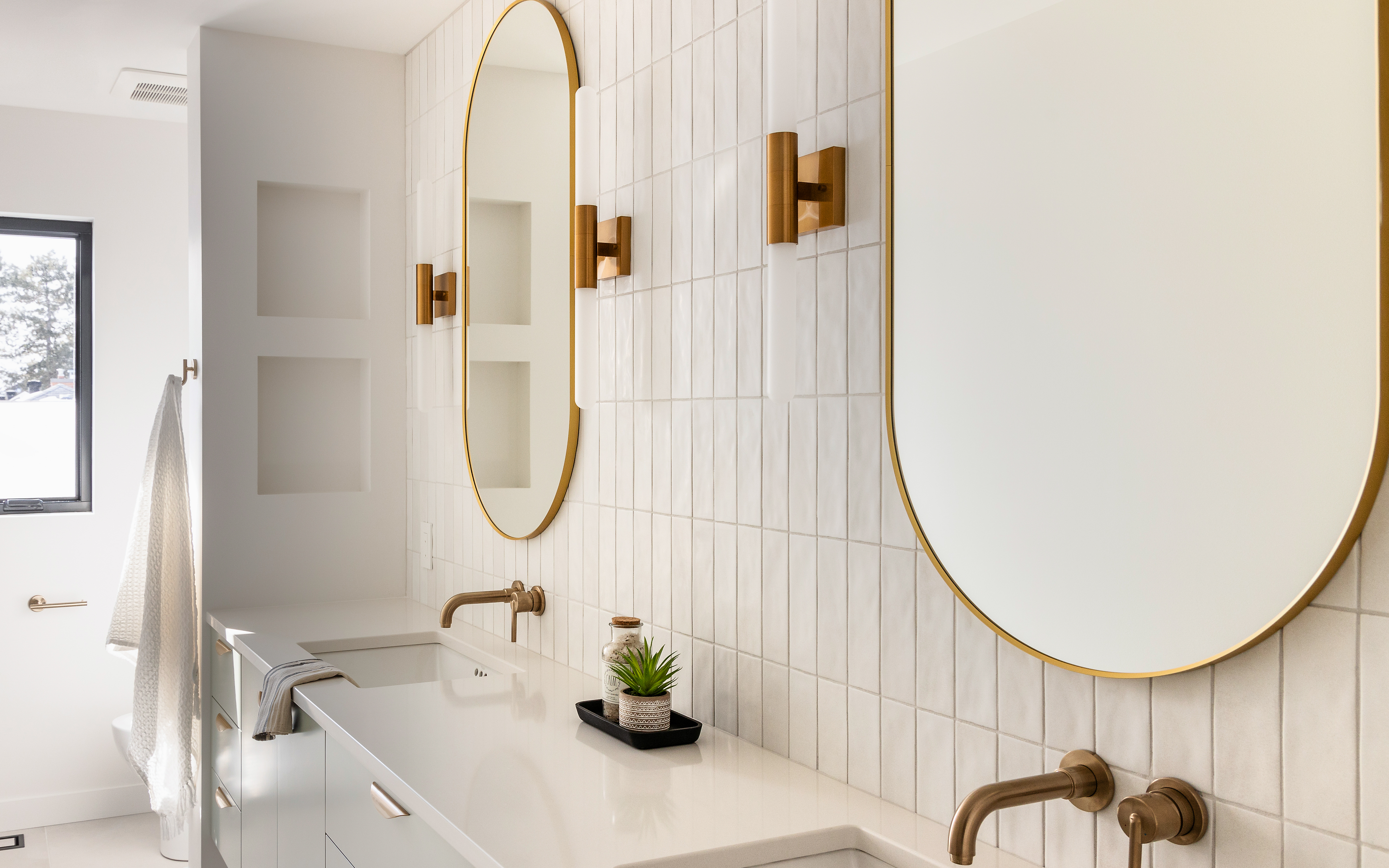
Mixed Metal Accents: Warm brushed brass and oil-rubbed bronze are being paired with brushed chrome and blackened steel to provide an understated contemporary contrast
Trend Summary & Canadian Home Compatibility
Furniture Trend
Dominant Materials
Primary Benefit
Best Fit for Canadian Homes
Curved & Sculptural Seating
Bouclé, velvet, textured wool
Enhances room flow; softens boxy spaces
Condos, open-concept living rooms
Wood-on-Wood Layering
Solid Walnut, White Oak, Ash
Long-term durability and warm depth
Dining rooms, suburban & chalet homes
Modular Sectionals
Performance linen, stain-resistant tweed
Flexible layouts & adaptable configurations
Urban apartments, multi-use family rooms
Tactile Earth-Tone Accents
Terracotta, brushed bronze, ribbed glass
Visual warmth during fall/winter months
Living rooms, reading nooks, entryways
Actionable Tips: How to Style These Trends in Your Home
Start with a Focal Point: Introduce one sculptural element—such as a round travertine coffee table or an arched accent chair—before redesigning an entire room.
Select Performance Upholstery: For high-traffic family spaces, choose performance bouclé or Crypton fabrics that combine tactile luxury with stain resistance.
Incorporate Biophilic Elements: Pair warm wood finishes with natural stoneware, linen drapery, and low-light indoor greenery to maintain a connection to nature year-round.
Frequently Asked Questions (FAQ)
What is the most popular sofa trend in Canada right now?
Curved, modular sectionals featuring textured performance fabrics such as bouclé, ribbed corduroy, and tailored linen are the leading choice. These models allow flexible arrangement in urban layouts while offering deep, comfortable seating.
Are matched furniture sets out of style in Canada?
Yes, matched bedroom and dining sets have largely been replaced by layered wood tones and complementary mixed materials. Combining distinct species such as walnut tables with white oak chairs adds visual depth and a curated, designer look.
How do I choose durable wood furniture for Canadian winters?
Look for kiln-dried solid hardwoods like oak, walnut, and ash with high-grade matte protective seals. Conditioning the wood seasonally with mineral oil or wax prevents shrinkage and cracking caused by dry indoor heating.
Which furniture colours are trending for late 2026 in Canada?
Warm, earth-derived tones—including terracotta, forest green, warm ochre, and deep burgundy—are currently leading the palette, replacing cold greys and stark monochromes.